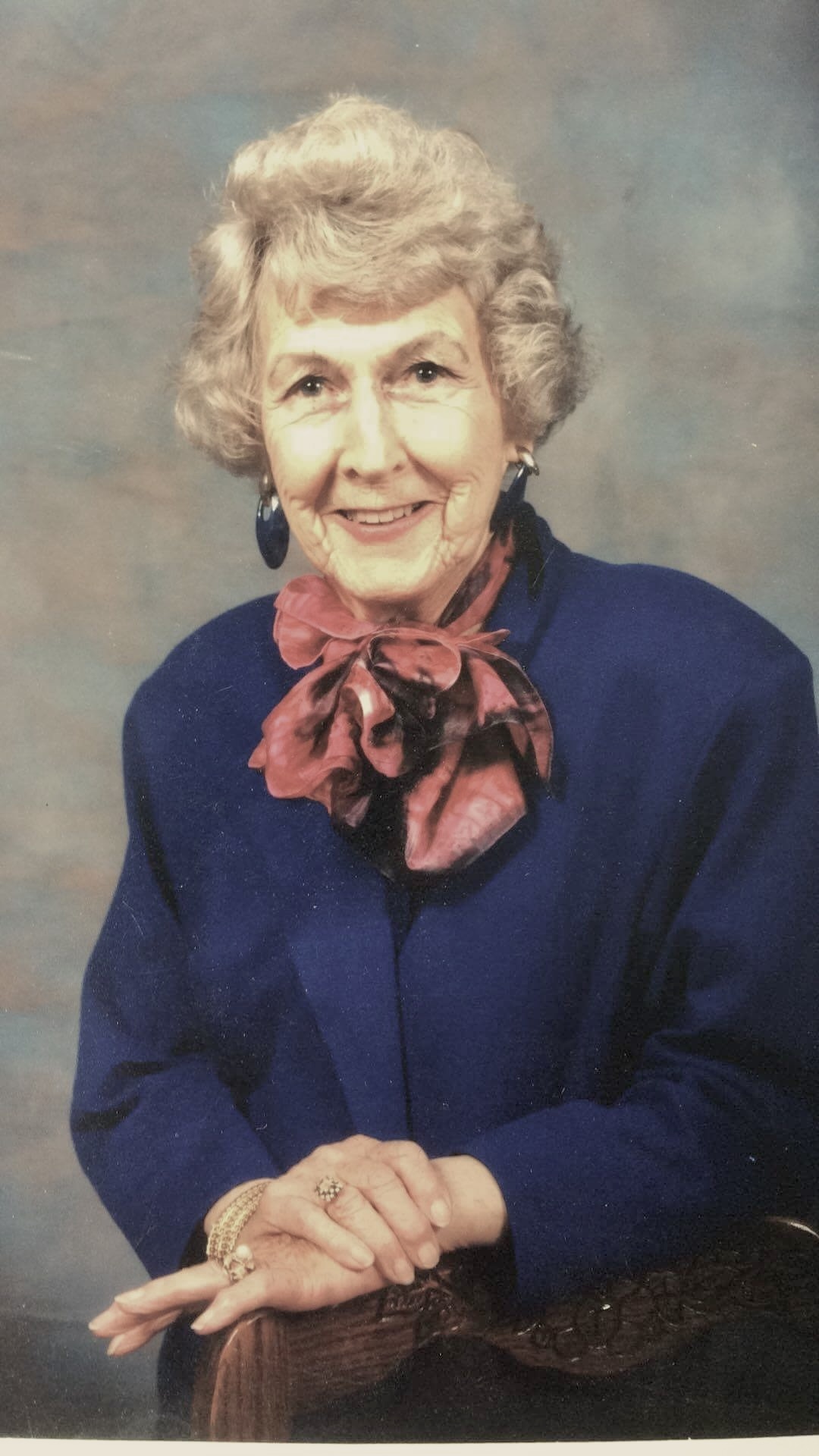
Like many grandchildren of my generation — and we’ll keep that generation to ourselves — I loved my grandparents but only saw them occasionally when they came to visit, perhaps every few years at Christmas. As a teenager I boarded at a school on the west coast of Canada, near my grandparents home in Vancouver. This afforded me a wonderful opportunity to spend much more time with them when I escaped the confines of school.
My grandmother had, as many grandmothers do, eccentricities. Included in these were wonderful stories she would tell: about ghosts, about almost being kidnapped by White Slavers in 1920s Vancouver, and about her married years living in Chile and her love for her horse. When the weather was nice we would sometimes sleep outside, looking at the stars, and she would recount the stories. She told stories as well about her brother Forbes — not many, as she was only ten when he enlisted in the 72nd Battalion, Seaforth Highlanders — but it was impossible to mistake her fondness for him.
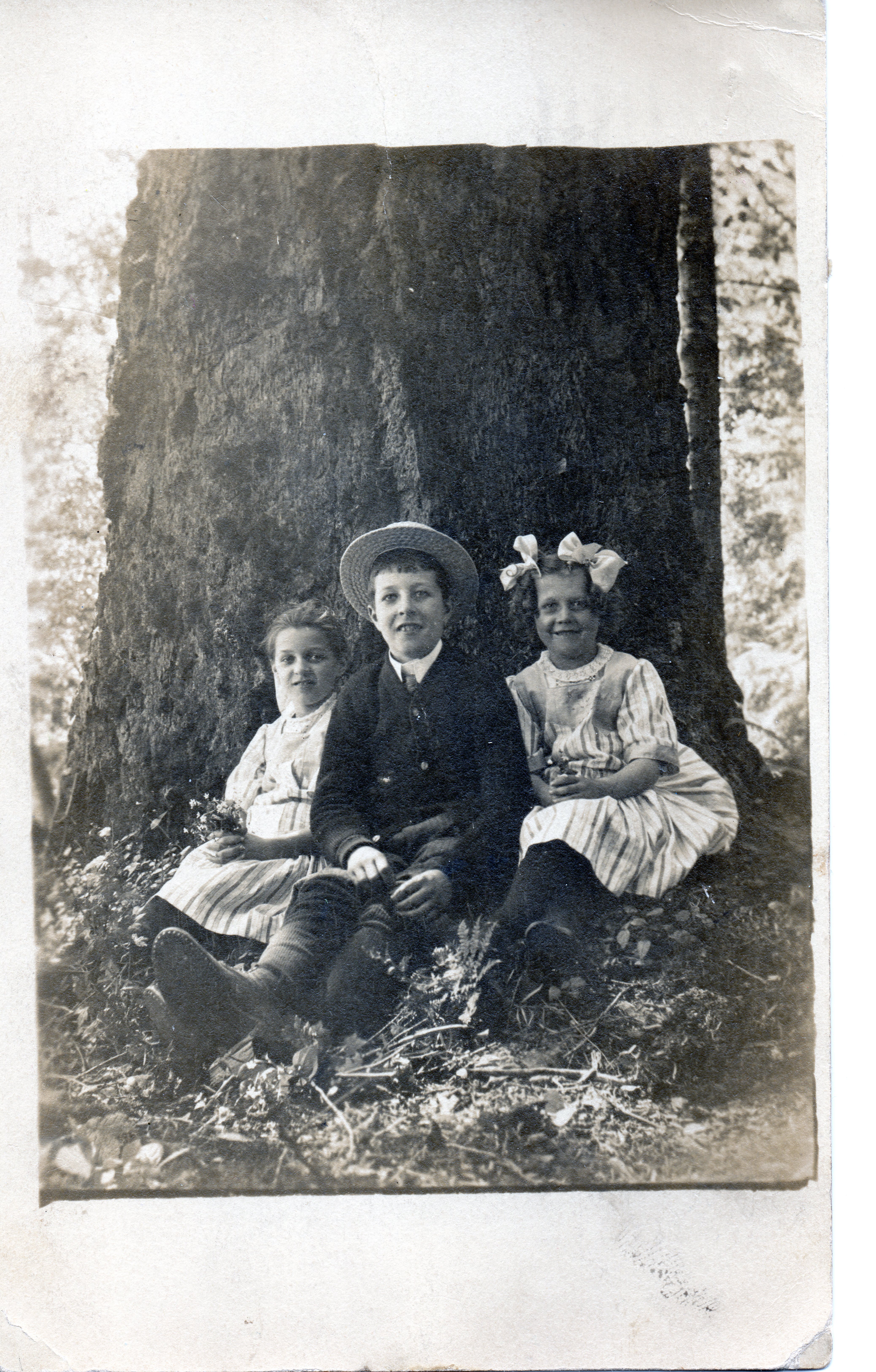
Sadly, like so many adolescents, as I got older I became far more self-absorbed, focused mostly on partying and spending time with friends. One story that remained somewhere in the depths of my mind, however, was her tale of meeting Cy Peck, who had formerly commanded the 16th Battalion, Canadian Scottish. She said that he told her that he remembered Forbes fondly as one of his runners.
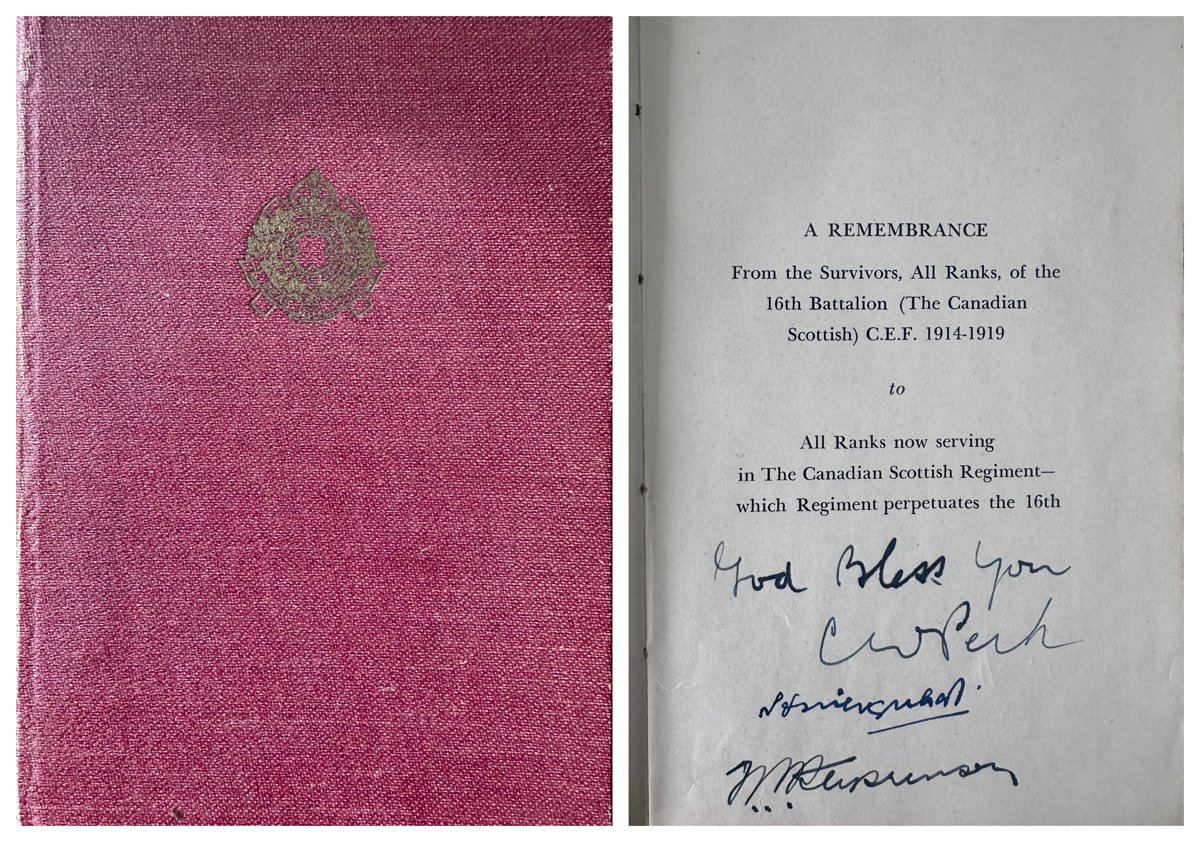
There were other details in her story that I vaguely remember: meeting Cy Peck as the 16th Battalion returned to Canada; him coming to their house to pass on his regrets; and personally delivering a small memorial history that had been published and distributed to surviving members of the battalion in 1941. The book was dedicated as A Remembrance: From the Survivors, All Ranks of the 16th Battalion (Canadian Scottish) C.E.F. 1914–1919 to All Ranks Now Serving in the Canadian Scottish Regiment, Which Regiment Perpetuates the 16th.
Some of these stories may have suffered from the memory of time — hers and mine.
Since receiving some of Forbes’s correspondence in 2015 and 2020, my attention has been on his company and platoon (No. 1 Company, No. 2 Platoon), and I have associated his movements in the context of theirs. As such, when reviewing the battalion diaries and operational orders for the lead-up to the attack on Vimy Ridge, I did so through that lens.
While I never forgot my grandmother’s story, I never had anything to validate it, so I parked it in the recesses of my brain. My narrative for Forbes at Vimy followed his company and platoon — that is until recently when I was in the archives reviewing the Part II Orders for the 16th Battalion for the period of January to May 1917.
Part II Orders tracked the movements of men within a battalion: increases and decreases in battalion strength, transfers to hospital, punishments, promotions, administrative orders, casualties, etc…
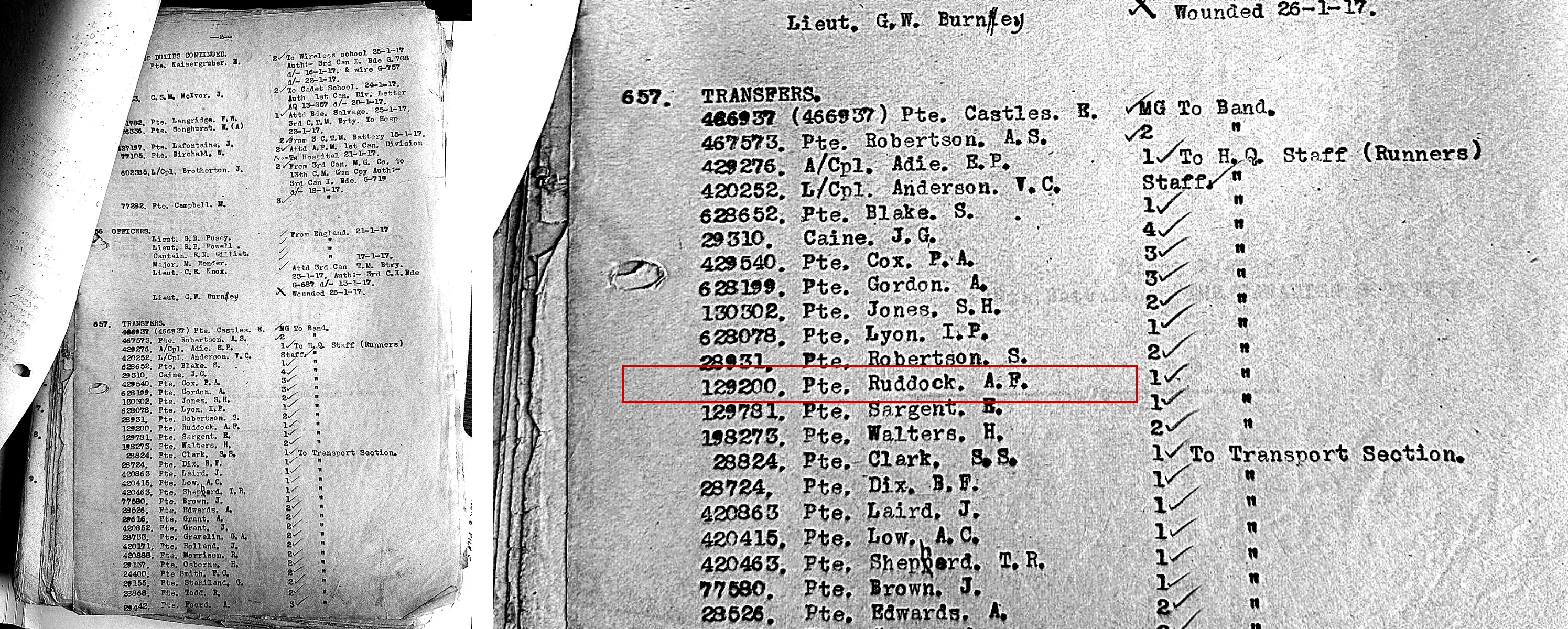
On January 27 an entry read:
129200 Pte. Ruddock, A.F. 1 Company, To H.Q. Staff (Runners).
In all, twelve men were transferred as runners within the 16th Battalion that day — five from No. 1 Company, Forbes among them.
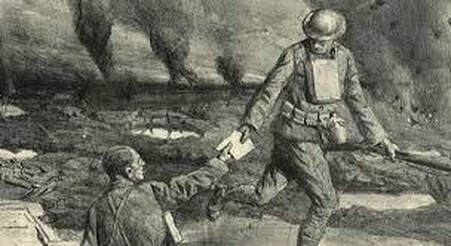
The role of a runner was exactly as it sounds: a messenger, relaying messages of all kinds — orders, situation reports, verbal instructions — from Battalion HQ to companies and back again, between companies, or to Brigade HQ. Runners were critical because communication lines could be cut by shellfire at any time; they were particularly crucial during battle, when the challenge of damaged lines was compounded by the need to keep in touch with battalions and companies on the move.
Runners were often selected for their fitness, reliability, steadfastness under fire, and the intelligence and composure needed to deliver orders accurately. Much like in business today, they dealt directly with senior officers and needed to conduct themselves appropriately.
While a trusted and responsible role, being a runner brought with it considerable risk. Unlike a soldier who might remain for extended periods in the trenches — dangerous places in their own right, despite dugouts and trench walls that offered some protection — runners were repeatedly exposed to shellfire during their movements. They often moved between trench systems without cover, using communication trenches that connected support and reserve lines to the front — trenches that were frequently under fire. During battles or heavy engagements, runners could be required to cross open ground repeatedly, making multiple trips fully exposed to enemy gunfire and artillery — as well as their own.
Runners were often deployed in pairs because of this risk and the importance of ensuring that the message got through — this dynamic is memorably depicted in the movie 1917, which follows two soldiers tasked with carrying a message to another battalion to prevent an attack that would have disastrous consequences.
Beyond simply validating my grandmother’s story, discovering Forbes’s name in the Part II orders is tremendously important in my quest to understand Forbes and his experience in the First World War more closely. During the period from which he was taken on strength (TOS) with the Canadian Scottish in June, 1916 to January 1917, my focus remains on the activities of Company No. 1, Platoon No. 2 – its movements in and out of the line, the men with whom he served, and its role in the battles on the Somme in late 1916. However, his transfer to HQ Staff in January 1917 now shifts my focus in a new direction – particularly as it pertains to the men around him and Vimy Ridge, the battle in which he was killed.
Finding Forbes’s name in the Part II Orders, and seeing the record of his permanent transfer to HQ Staff as a runner, has moved my grandmother’s story from its parking spot in my brain to the forefront of my research: where did the Battalion HQ position itself on the day of battle; are there additional notations in the Orders about runners; are there references in the after-action reports filed up the line; was there a pattern to the men transferred with him; and were there any casualties among those runners that might tie them to his movements? And of Forbes, it offers a little more insight into his character – the character that made him well suited to the role as a runner.
All of this changes the foundation on which my narrative of his experience with the 16th Battalion is based.

 Perspectives On The Front
Leave a comment