The First World War has always held a deep interest for me. While I have a family connection to the war – my Grandmother’s brother Forbes was killed at Vimy Ridge and my Grandfather on my father’s side was wounded severely at Hill 70 – my interest pre-dates any serious awareness of this family connection.
I always noted a tone of loss and sadness, even after sixty years, when my grandmother mentioned her older brother Forbes – a fondness for a brother she knew only briefly as a very young child. When my father spoke of my grandfather it seemed rarely to be with love or fondness – perhaps more personal regret – his lasting words in my memory, “my father could do more with one arm than most of us can do with two.” It’s only been in recent years that I started to look into their experiences in the context of my understanding and interest with the war.
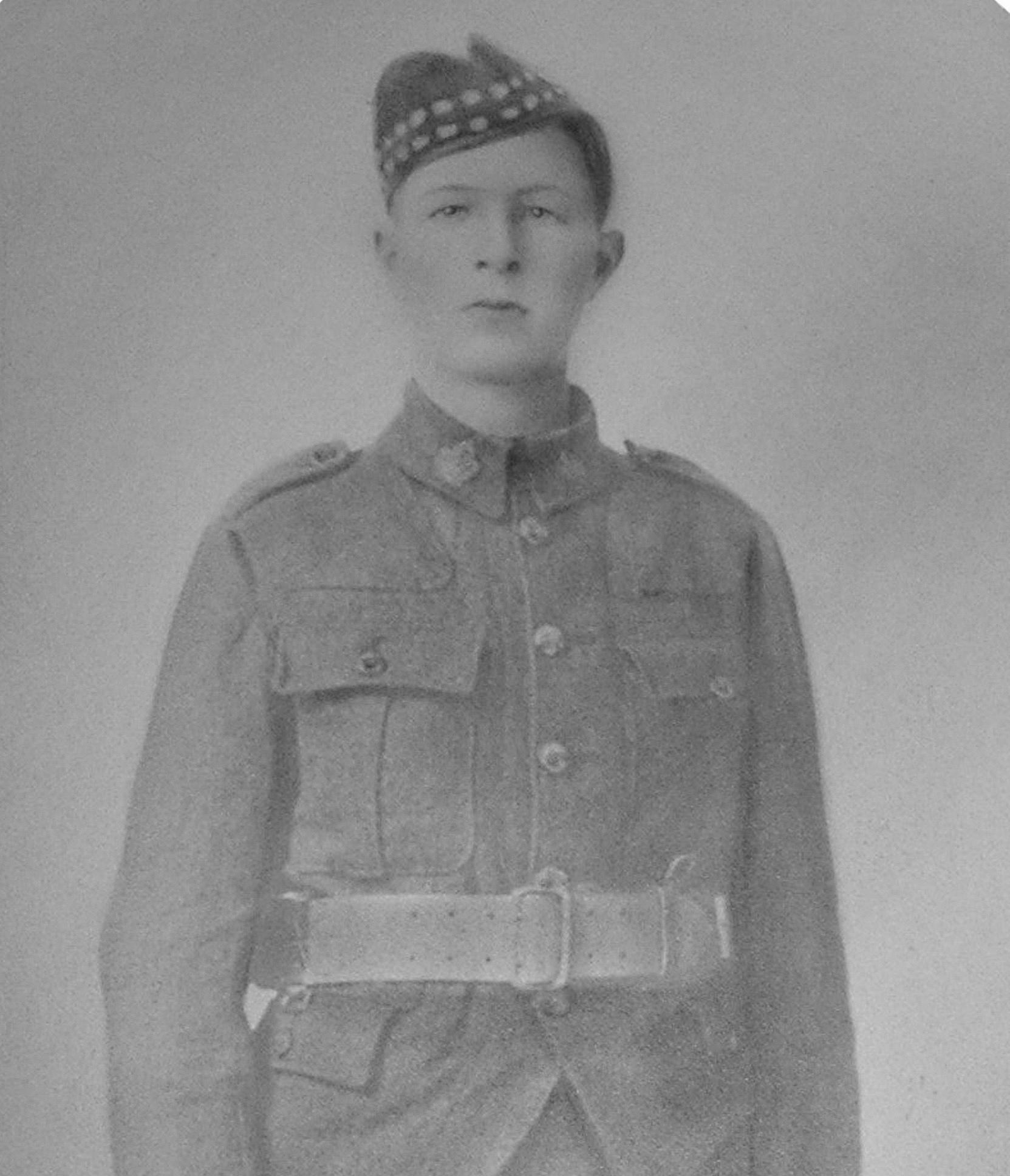
16th Battalion Canadian Scottish
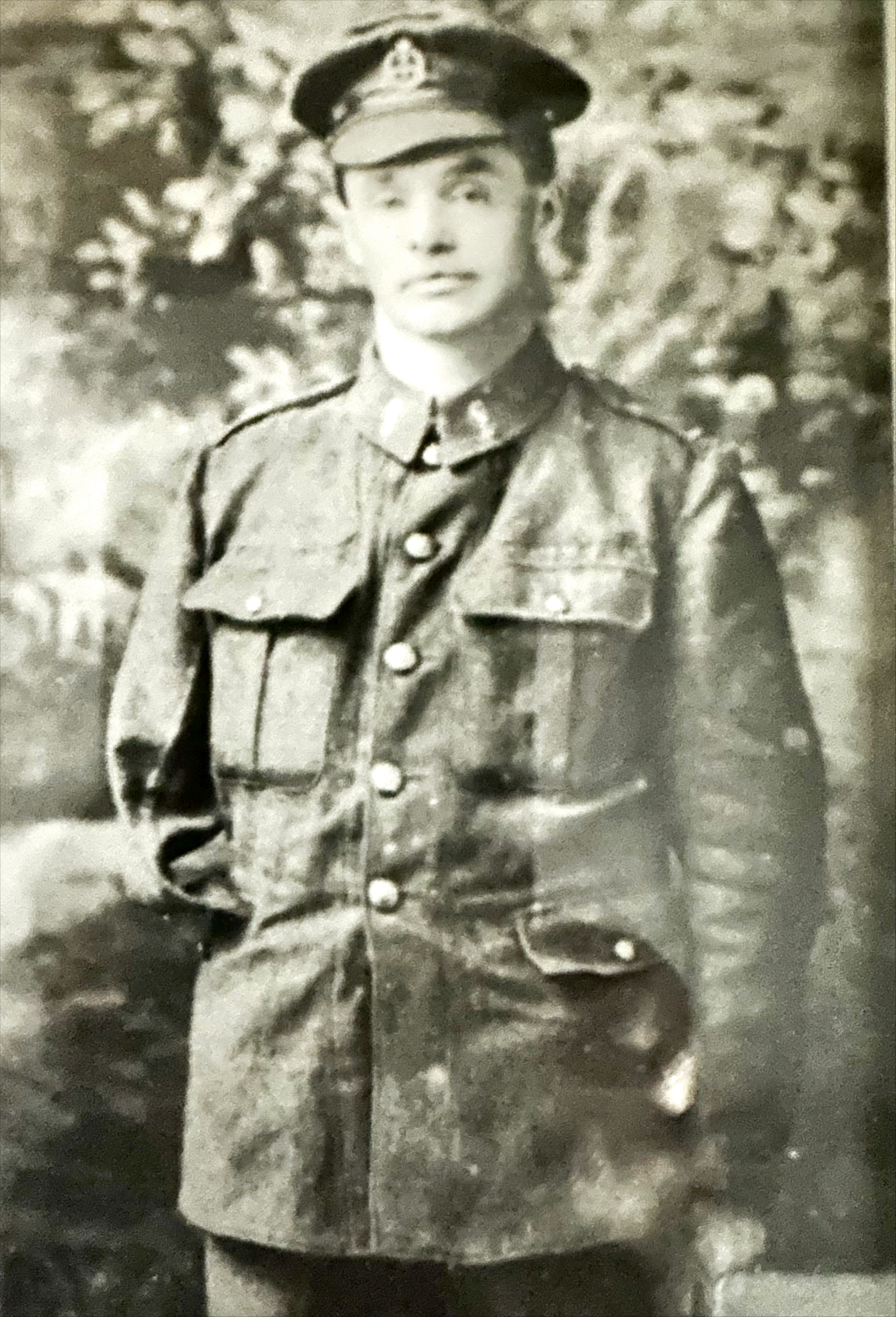
5th Battalion Canadian Infantry
While my fascination with the First World War began as a young teenager captivated by the idea that the battlefields of Belgium and France were a fertile ground for finding relics of a war, it was the War that held my interest. So much about the First World War defies comprehension; far more than the war that followed. It was medieval: men living in mud and squalor, bones from the dead puncturing the walls of the trenches in which they lived for four years, for those who survived, and vermin sharing their accommodations. Armies bludgeoned each other in the most savage and unimaginative way until one side, exhausted, gave ground – the dead and almost-dead of both sides strewn across the battlefield. Yet men signed up knowing the conditions – loved ones, husbands, fathers and brothers – fully aware of the likelihood of being killed, wounded or maimed in unimaginable ways.
The First World War was fought in our time. For many of us, soldiers who fought in the war were alive during our lifetime and the same obsession I had as a child – finding relics from the war – grips me today. As you wander through cemeteries in Belgium and France, reading inscriptions on headstones, pillboxes from the war are around you – you can walk up and touch them. . . feel them – and the detritus of war is easily found among plowed fields. For us, the First World War is living history and we are the last generation for which this will be the case; to the generation that follows, the War will be as the Boer War, the US Civil War or some other ancient event is for us – something captured only in books and films.
This blog is primarily focused on stories that I’ve written about lives. Most often they’ve started with a headstone I’ve seen in a cemetery, a name on a memorial or a record of death, and have been fed by a passion to uncover the life cut short by the war. . . what I’ve come to call a life untold. I tell the story of men and women lost to the war, as well as vignettes or happenings at the front, to draw a sketch of life at the time. The goal of this blog is to help unveil these lives, this period, and to help keep history alive.
 Perspectives On The Front