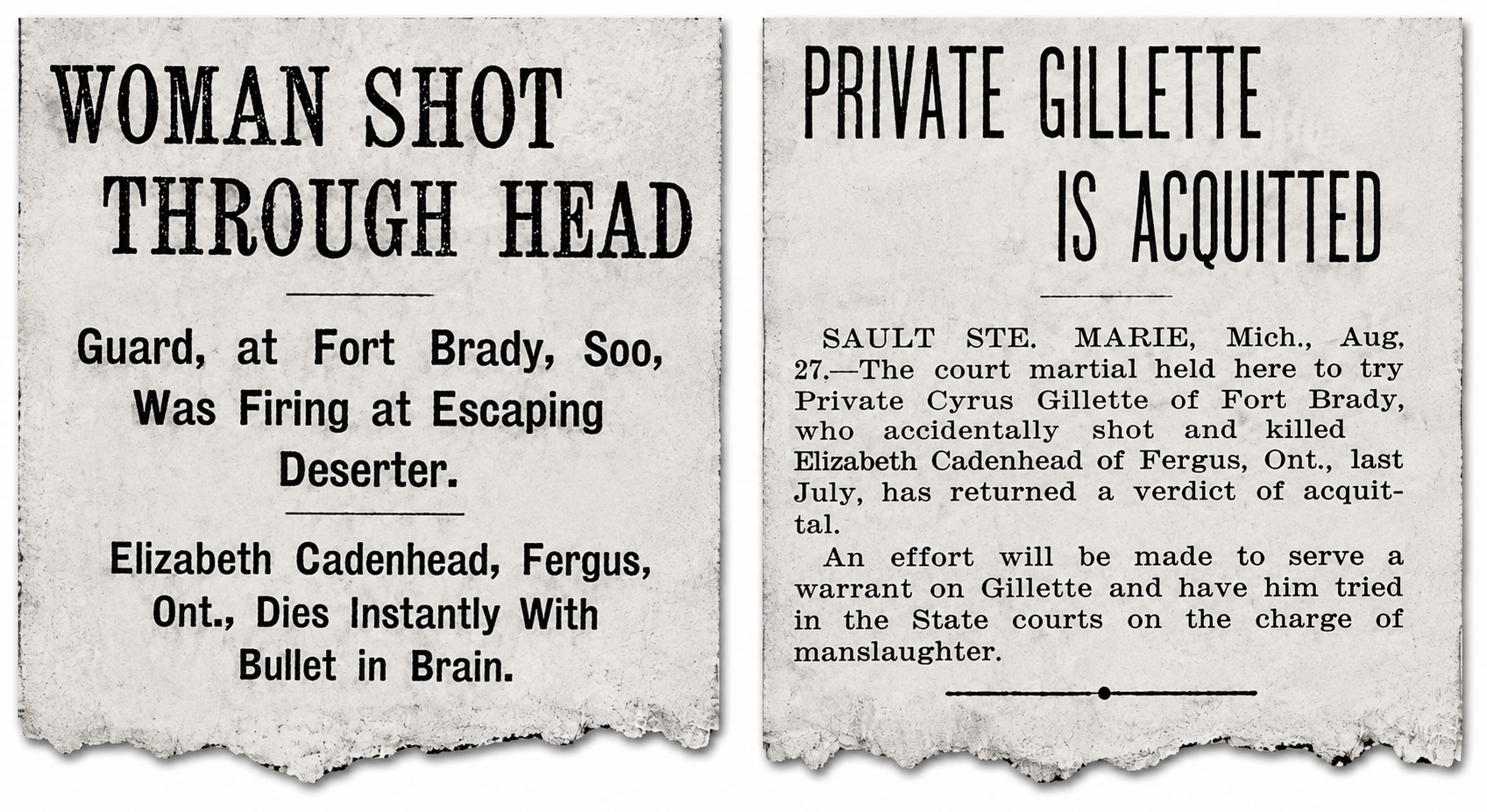
News of Elizabeth Cadenhead’s shooting in July 1914, and of Private Gillette’s acquittal in August, printed as small bulletins on the inside pages.
Little was said in either official or public circles—no banner headlines, no outrage, no calls for justice or vengeance. Private Gillette, an American soldier, walked free after being acquitted by a court-martial on a charge of manslaughter after shooting and killing a Canadian woman, Elizabeth Cadenhead, while firing at a fleeing deserter. Cadenhead had been walking along the sidewalk opposite the U.S. military base where Gillette was stationed when she was accidentally gunned down.
It would be another seven years before the case was finally closed in May 1914. Although a British-American arbitration tribunal found that the United States had acted in accordance with its own law and under military jurisdiction, the U.S. government eventually conceded a settlement of $2,000 for the Cadenhead estate—less than ten percent of the amount sought by the British government on behalf of her family.
Within eight months of the Elizabeth Cadenhead case being settled, another case with even greater notoriety and publicity was about to complicate Canada-U.S. relations, precisely at the time when the European war and America’s ongoing tensions with Pancho Villa along the Mexican border were drawing Canada, Great Britain, and the United States into matters of far greater significance. At the centre was a dispute over the shooting of two Americans who were hunting illegally in Canadian waters.
While the hunting season in the United States was just getting underway in mid-September 1914, Britain was entering its second month of war. The Germans had finally been stopped on the outskirts of Paris by the successful Allied counterattack in the Battle of the Marne. But the casualty count on both sides was already well over 1.5 million, and the notion of the war being over by Christmas was beginning to unravel.
Across Canada rumours were rife with suspicious sightings and attempted sabotage by German sympathizers, particularly against vulnerable strategic points along the railway and canals. Most of these were unsubstantiated, the product of over-imaginative brains. As one official observed, “as each [story] traveled it increased in magnitude”.
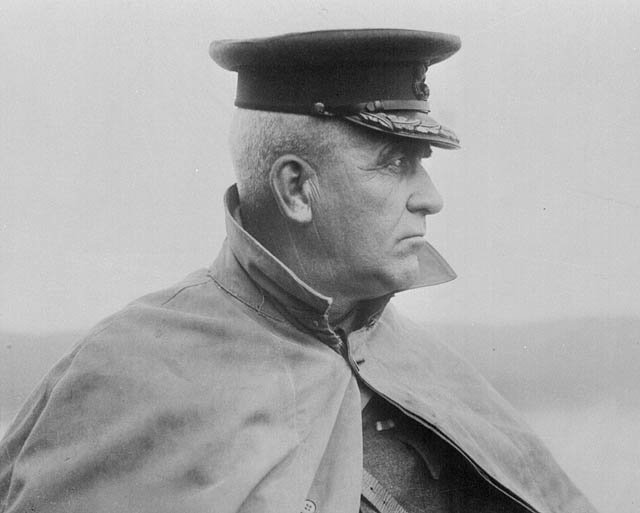
Controversial Minister of Militia and Defence, Sam Hughes
In response to “the discovery of a well advanced plot” to dynamite the Welland Canal, however, one of the first military orders issued by Colonel Sam Hughes, Minister of Militia and Defence, was to call out the militia to “guard the Welland Canal and locks with sufficient troops, cavalry and infantry” to prevent any harm.
The deployment of the 44th Lincoln & Welland Regiment, along with other local militia units to guard this area, was widely covered in local papers on both sides of the border.
More ominously, along with the deployment of local militia, “shoot-to-kill” orders were repeated by authorities across Canada. The head of the Ontario Provincial Police directed guards stationed at elevators, waterworks, and other public buildings to shoot anyone who refused to halt when challenged. At the end of August, Colonel Hughes reaffirmed this warning, declaring, “My instructions are to shoot to kill!”
Given the heightened vigilance along the border, the carrying of firearms in Canada by anyone unauthorized to do so was vigorously prosecuted, with frequent warnings posted.
Against this backdrop, hunters in northern states such as Pennsylvania, Vermont, and New York were being warned specifically about taking guns into Canada:
“Word has come from the Canadian Government that all aliens in Canada have been warned to surrender their arms of all kinds on pain of confiscation, fine and imprisonment.”
For U.S. hunters the Niagara River was often treated as a shared hunting ground. The Canadian side offered an ideal habitat for ducks, with its shallow shoals and marshland, in contrast to the more industrial Buffalo shoreline. The hunting season in Canada, however, was a month shorter than in the northern U.S. states, ending in mid-December rather than January.
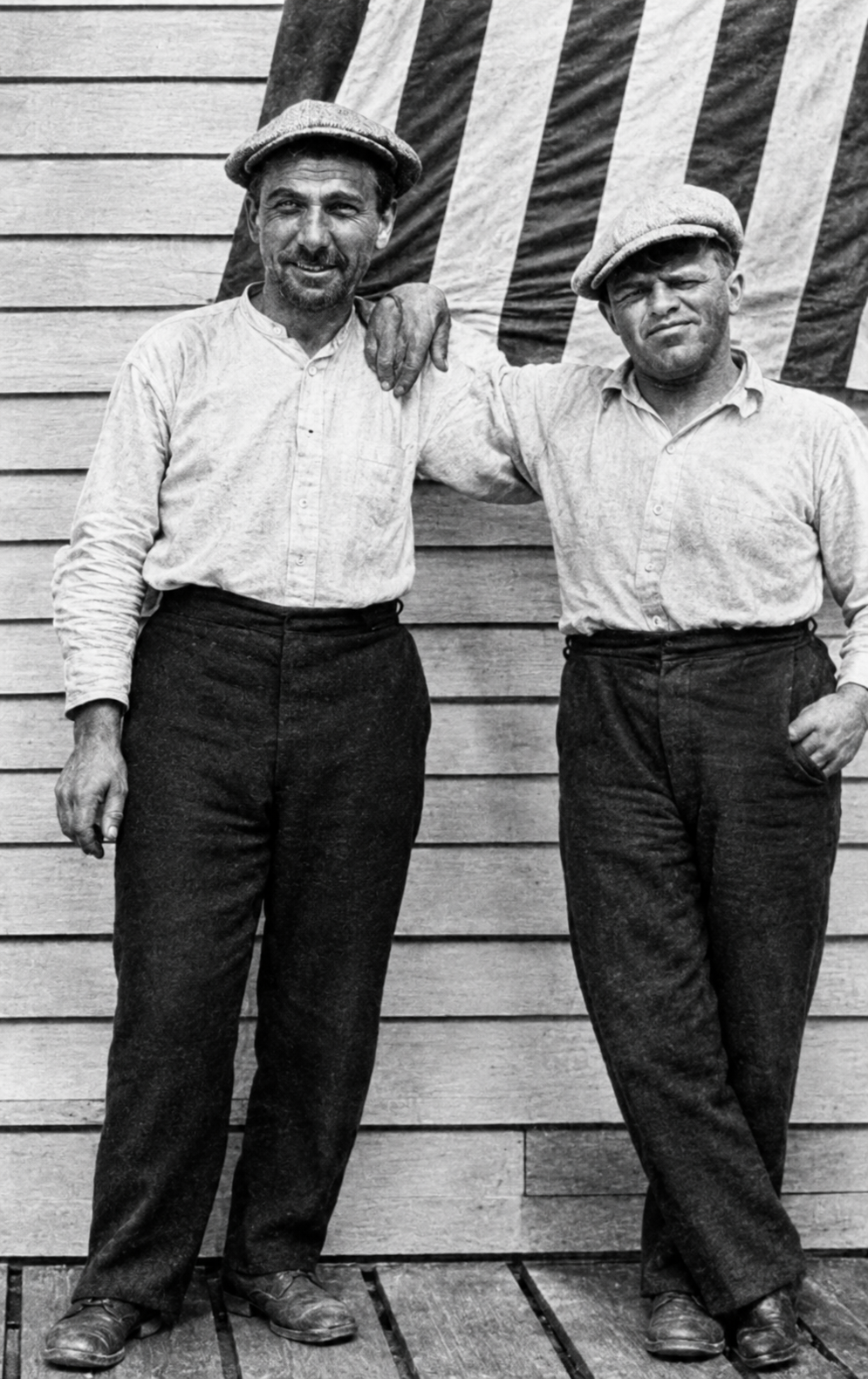
21 year old Walter Smith (left) and 22 year old Charles Dorsch in front of the Mutz Bros. Boathouse
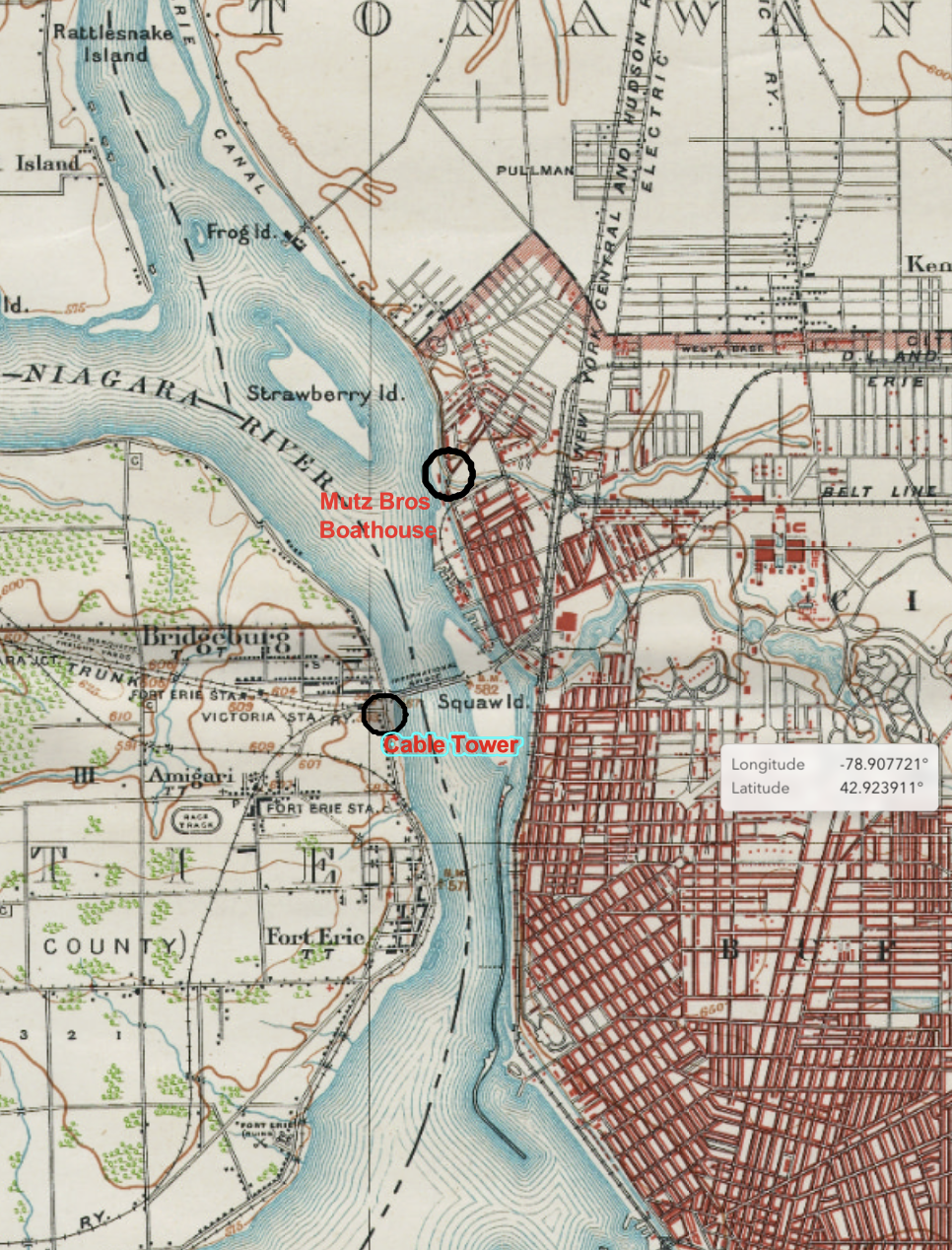
Despite all of the warnings, two young hunters from Buffalo, Walter Smith, 21, and Charles Dorsch, 22, headed out in a rowboat early on December 28, making for the Canadian shore off Fort Erie. They had walked to Mutz Bros. Boathouse at the foot of Ontario Street and started down the river to find a good place for hunting. They ended up about 600 yards off the Canadian shoreline, near the cable tower, having steered around a large ice flow.
Interviewed after the tragic events of the day had unfolded, Dorsch admitted that “we heard something about it being illegal to carry firearms in Canada, but no one seemed to be taking it seriously, so we didn’t.”
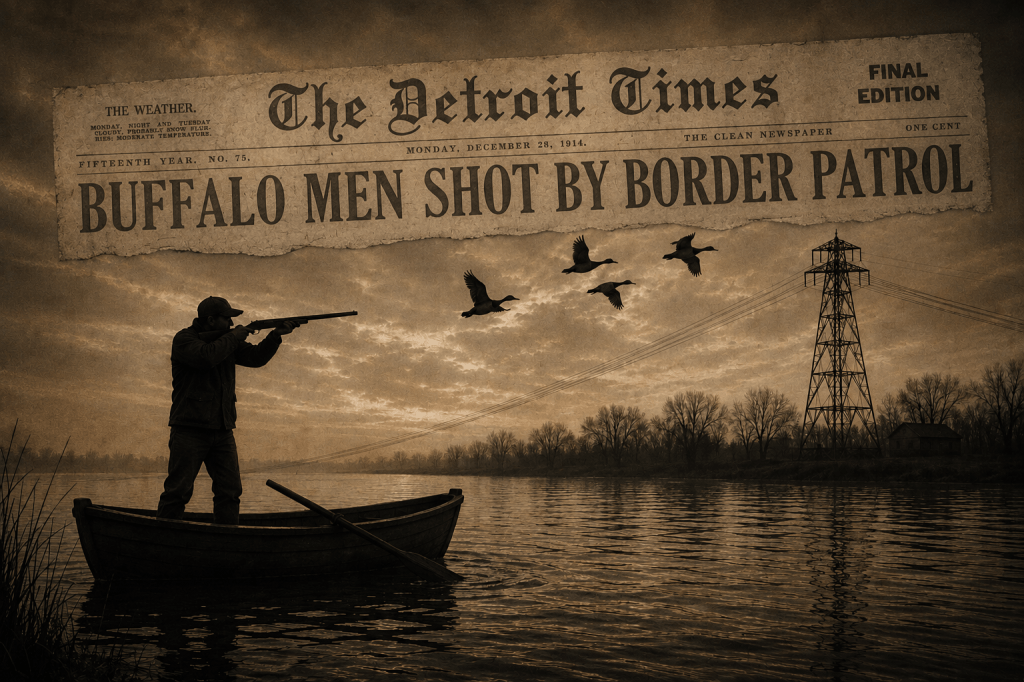
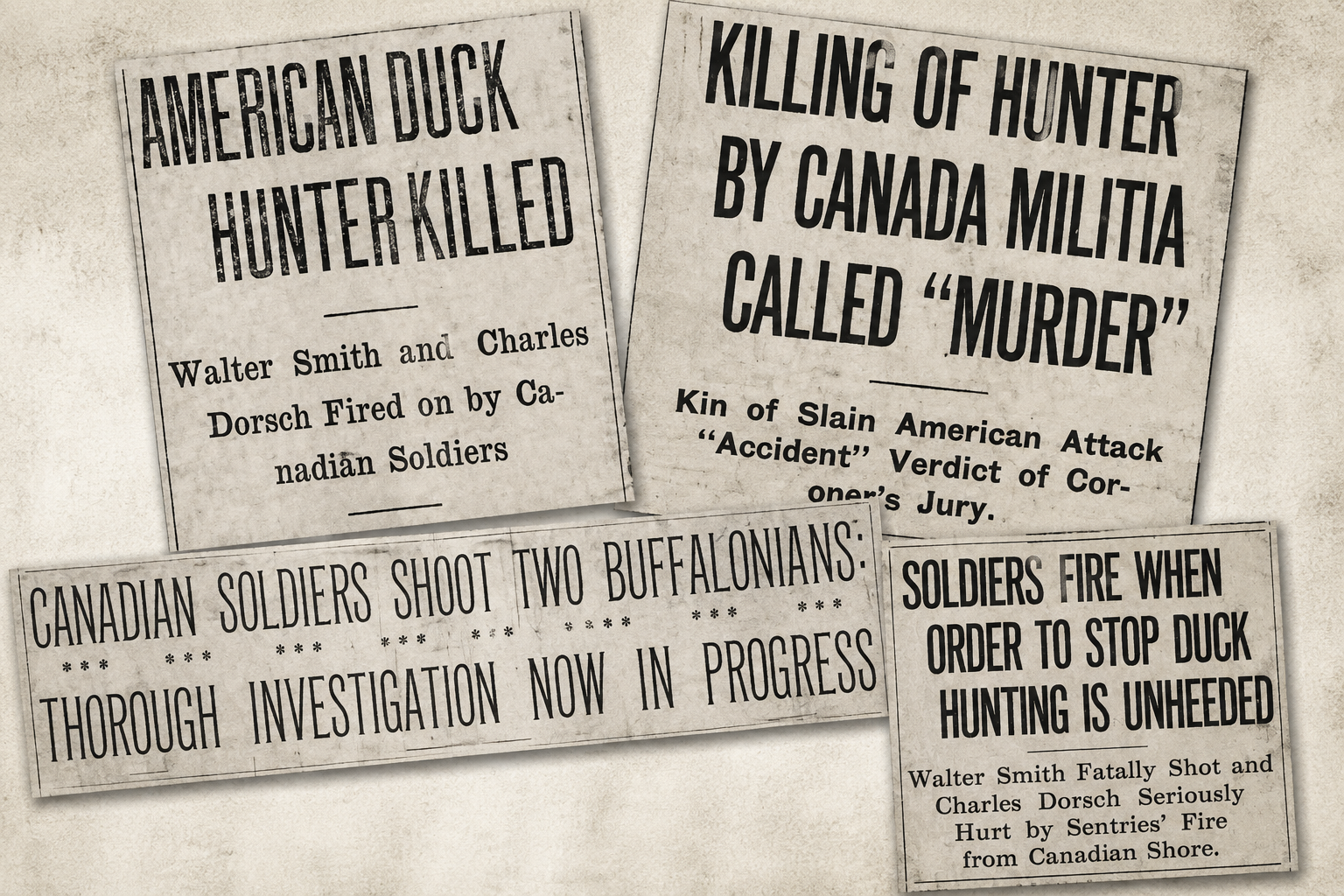
Banner headlines in US papers captured the emotion of the incident.
News of the shooting broke within hours in both countries, printed in banner headlines in Buffalo and across the United States.
The basic facts, as reported in newspapers on both sides of the border, told the story. Smith and Dorsch were hunting off the Canadian shoreline, in Canadian waters, when their shots attracted the attention of the game warden, Chief Michael Delaney. He called on the local militia for assistance and, with three men from the Lincoln & Welland Regiment, yelled to the hunters that they were under arrest and ordered to come to the shore. When the men in the boat appeared to be trying to get away the soldiers were ordered to shoot at them – as a warning to scare them. One shot wounded Dorsch in the shoulder, the other hit and killed Smith instantly.
The Canadians who were involved had been quickly placed under guard and ordered not to talk about the incident so gossip was the main source of information – gossip and the words of Charles Dorsch who, in a statement from his hospital bed a day after the shooting, claimed they were not given a chance:
The route of Dorsch and Smith on the morning of 28 December, 1914, from the Motz Bros Boathouse to an area off the short of Fort Erie (map circa 1913)
“We were about 600 yards off the shore when we first saw the soldiers. I was on a big cake of ice surrounded by water. Smith was in the boat. The first thing we knew there were soldiers on the shore firing at us. Bullets were hitting the water all around us. I threw up my hands and shouted to them, asking what they wanted us to do. They just kept right on firing.
While the two men said they would comply with the order after they collected their decoys, they appeared to have had second thoughts as they headed back toward the middle of the river. According to the soldiers, it was at this point that they fired a first volley, followed by a second, intended to scare the men in the boat.
Dorsch’s account, however, differed.
My right hand trailed over the gunnel of the boat into the water and I heard someone holler they’re trying to paddle away with their hands. While I was getting into the boat. . . four or five shots went pin-n-ng over our heads and several struck the water. . . I hadn’t shot my gun off for twenty minutes prior to the time they fired the first bullet, and after they started firing I dropped my gun and threw up my hands”.
Three volleys were fired by the soldiers and as the boat started to drift downstream, it was evident that both men had been hit. Smith, shot in the forehead, died instantly, while Dorsch was shot in the shoulder and was treated in a hospital in Fort Erie.
Quickly, multiple interpretations of what occurred emerged. One woman interviewed who had watched the entire incident claims she distinctly heard the shouts of the soldiers and men in the boat, and that the hunters had surrendered and one of them had thrown his arms in the air when the shooting began. Other reports contend the hunters were not even hunting in Canadian waters but had navigated there to avoid an ice flow.
The Vice Consul of Fort Erie, located in Canada, wired the facts of the story (as he knew them) to the Secretary of State, but professed he had a number of versions of what occurred:
“I have a number of different versions and the statements vary. Some of the men claim that the men threw up their hands when the rifles were fired at them and others say that they did not. Everyone over here regards the shooting as regrettable and a thorough inquiry is demanded.” He went on to say that “the eyewitnesses differ as to how many shots were fired. Some say ten and others say 15. The soldiers tell me they did not intend to hit anyone. They say they were only shooting to scare the men to come in.”
There was said to be general agreement among residents in the Canadian town of Fort Erie that the soldiers were within their right to shoot the men when they refused the order to come ashore and be placed under arrest. Some newspapers in Buffalo, however, claimed that residents actually believed the affair was uncalled for:
“We do not want those troops here anyhow; they haven’t done anything since their arrival except loaf about the town hall. Because a few ducks were shot one man has to pay with his life and another is badly wounded.”
Almost immediately Americans started calling for a response from the United States government. On the evening of the shooting a petition, signed by 200 of Dorsch’s friends, was sent to Washington requesting that action be taken by the United States Government, and the local Congressman asked the State Department to make an investigation. Local editorials captured the outrage on the Buffalo side of the river.
“The killing of one Buffalo young man and the wounding of another by Canadian soldiers has shocked and horrified all Buffalo. . . An investigation is under way by the Canadian authorities, and it is up to them to make this inquiry every bit as rigid as it would have been if it had been two Canadian boys who were made the targets of the rifles of the Canadian militiamen. The plea of military necessity will be invoked on behalf of the soldiers, but the ghastly absurdity of the notion that the presence of a couple of Buffalo boys in their boat on the river imperiled the safety of Canada is too apparent to need discussion.”
On the Canadian side, while Fort Erie village officers expressed deep regret over the incident, it was asserted that the men were not only technically under arrest by the game officer and attempting to escape, but they had violated a military order which forbade unauthorized persons to approach the international boundary line while armed. This order, it was said, was accompanied by a verbal order to the soldiers on patrol to shoot to kill if persons so armed refused to surrender promptly.
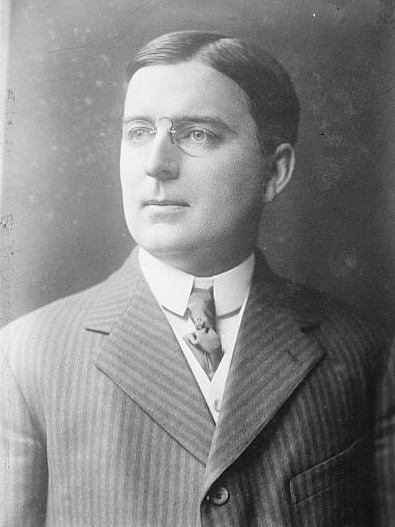
Member of the U.S. House of Representatives Charles B. Smith
Congressman Charles Smith, representing the district, made Secretary of State William Bryan aware of the shooting when the news first broke, but followed up with a more detailed account as further details emerged in the days before the coroner’s inquest.
Officials at the State Department observed that if it were true that the men had been shot while defying Canadian authorities, there would be no ground for representation by the American government—the bold headline in one U.S. newspaper read: “If Americans Were Shot It Was All Right . . . State Department Unable to Find Fault With Canadian Patrol Who Shot Poachers.” Despite the State Department’s initial view, Minister of Militia and Defence Sam Hughes expressed his “grave regrets” at the occurrence and ordered an immediate inquiry into the shooting.
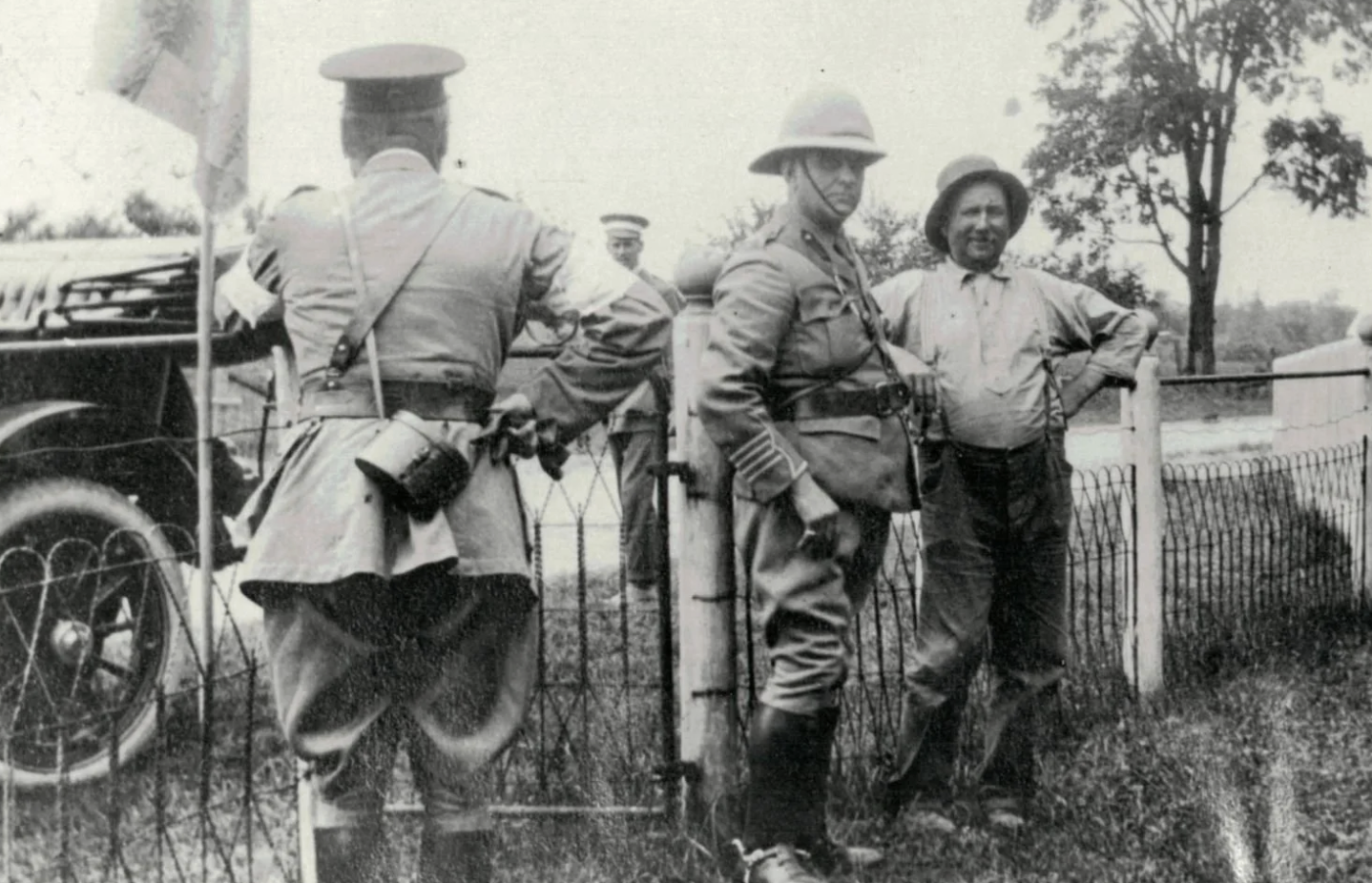
Minister Sam Hughes during an exercise in Niagra area in June, 1914, prior to the outbreak of war.
Publicly, Smith was more forceful, declaring that the soldiers were “criminally careless” and the shooting “wholly unjustified.” He challenged the observations that the two made any attempt to escape arrest, that they had in fact raised their arms in surrender and the soldiers were shooting at them, not over their heads. Dissatisfied with the State Department’s initial response to the incident, Smith vowed to appeal personally to the Secretary of State, and if still not satisfied to raise it on the floor of the House of Representatives.
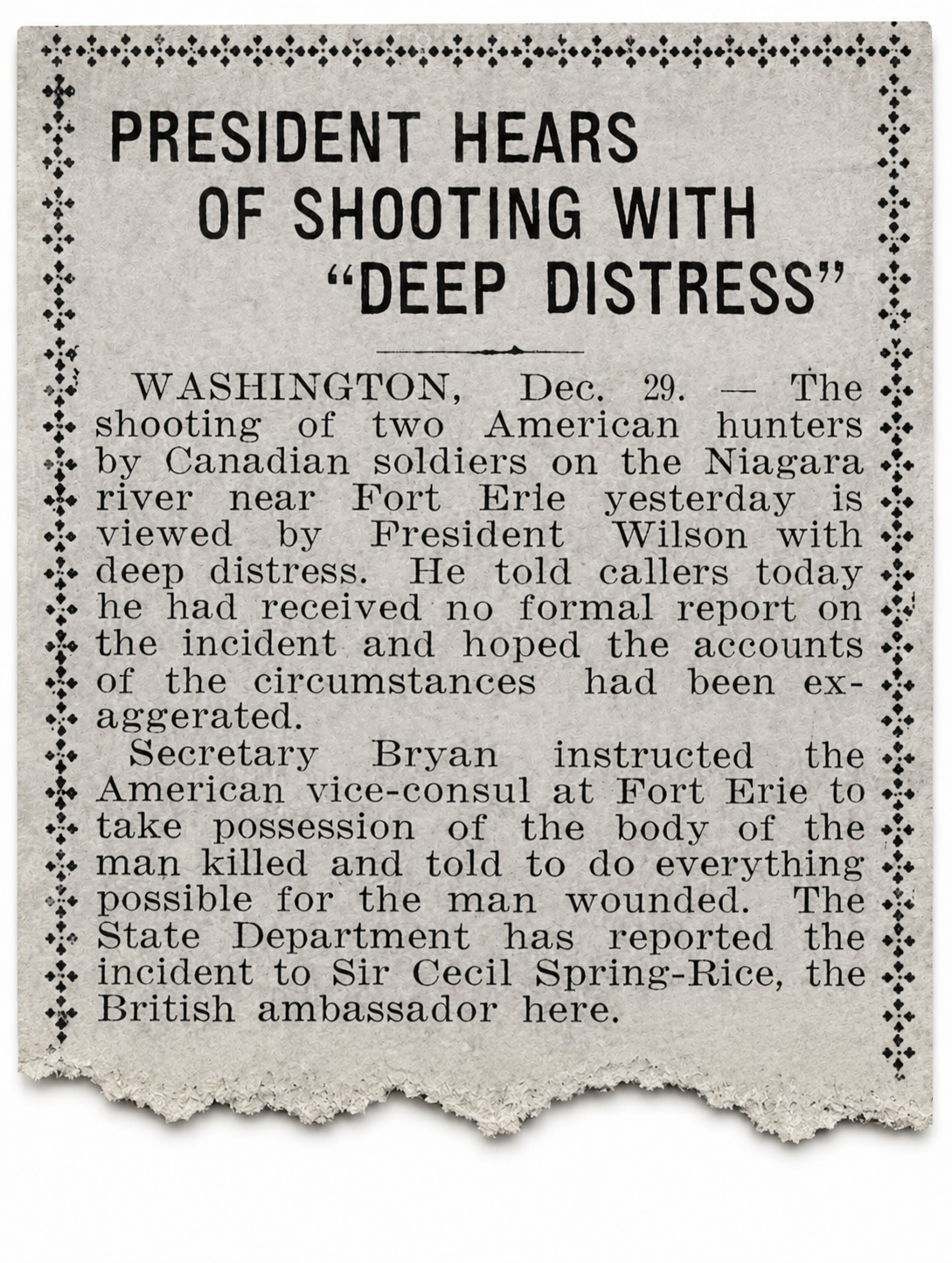
Amid the global events of the day, news of the hunting incident reached the President within a day of the shooting.
At a time when the President of the United States was grappling with the ongoing rebellion in Mexico—having withdrawn U.S. troops from the country only a month earlier and seeking to avoid further intervention—and with increasingly serious disputes with Great Britain over interference with American shipping, he now found himself drawn into a dispute about a duck-hunting incident on the Niagara River involving the United States, Canada, and Great Britain. While stating that he had received no formal report of the incident, he expressed hope that the accounts“had been exaggerated.”
While an initial report was sent to authorities in Ottawa on the night of the shooting by Captain Fite, the commander of the 44th detachment in Fort Erie, the first opportunity to hear sworn testimony from those involved came three days later at an official inquiry. Captain Fite, Chief Delaney, and the three soldiers, Corporal Archie Kayo and Privates Edmund MacIntosh and Leslie Kinsman, testified before a nine-person coroner’s jury. The U.S. interests were represented by Vice-Consul J.B. Curtis, and an attorney was present representing the interests of Walter Smith.
The inquest revealed the utter confusion that reigned that night – a hand over the side of the boat believed by the soldiers to be a wave goodbye from the hunters as they made their escape; a gesture of surrender by Dorsch, his hands in the air, that went unnoticed by the men on shore; the boat heading back into the river – or was it simply avoiding ice?; orders by Delaney to “give them a parting scare”, not to hit them, followed by shots fired high but splashing very close around the boat; and Delaney’s five-year-old son announcing that two Germans had been killed, reflecting the mood of the times.
After deliberating for an hour, the jury in the coroner’s inquiry delivered its conclusion: Smith’s death was deemed an accident and the incident closed.
Smith met his death while evading arrest for unlawfully shooting ducks out of season in Canadian waters, by a bullet delivered accidentally from the rifles of three militiamen. . .”
Smith’s attorney said the verdict was ridiculous and declared the killing nothing short of manslaughter, notwithstanding the jury’s finding of “accident.” In a telegram to Congressman Charles Smith, the Smith family’s attorneys repeated the claim that witnesses had testified the hunters had thrown up their hands and offered to surrender before the soldiers fired again. The attorney called it reckless, inhuman, and outright manslaughter – “Murder” in the words of one headline.
A military inquiry was held immediately after the coroner’s inquiry and the report, kept confidential, was forwarded to military authorities in Ottawa.
But the conclusion of the coroner’s jury that the incident was closed would prove premature.


Leave a Reply